How to advertise on LinkedIn starts with defining the business outcome, buyer audience, offer, conversion action, and measurement method before building the campaign. Then configure the campaign around that objective, select targeting that represents the actual buying audience, match the ad format and message to the buyer’s next decision, set budget and delivery controls, verify tracking, launch, and optimize against meaningful outcomes rather than impressions alone. For B2B teams, campaign setup is therefore a decision process, not simply an exercise in completing the fields in Campaign Manager.
Key Takeaways
- Define the commercial outcome and measurable conversion before configuring the campaign.
- Build LinkedIn ads targeting around buying relevance, not the largest reachable audience.
- Match creative and LinkedIn ad formats to what the buyer needs to understand or do next.
- Test one meaningful variable at a time so campaign results can inform decisions.
- Separate delivery metrics, buyer actions, pipeline evidence, and financial outcomes when measuring performance.
What should be ready before you advertise on LinkedIn?
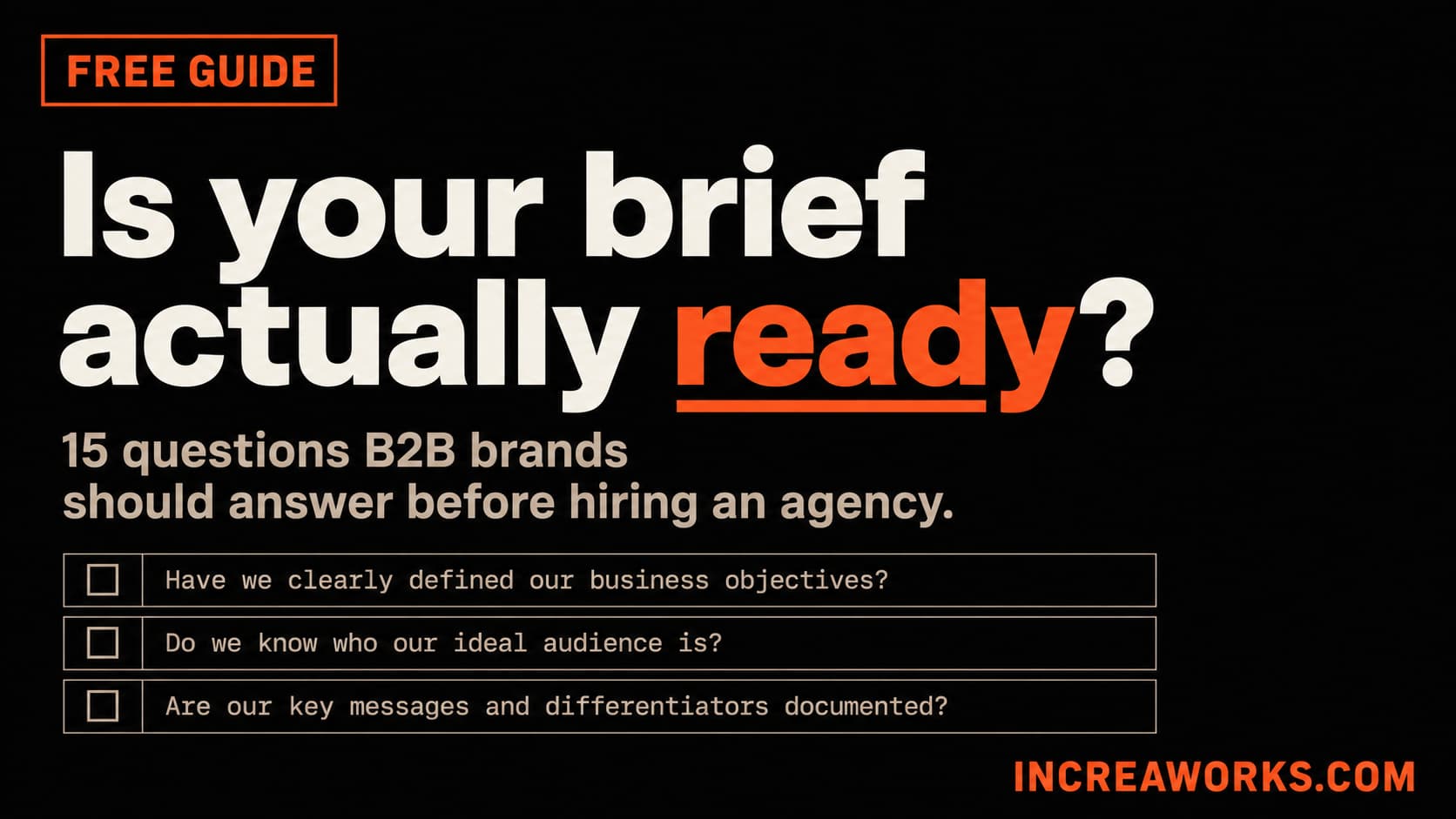
A workable LinkedIn campaign needs more than ad copy and a budget. Before entering Campaign Manager, document the business objective, priority audience, offer, destination or lead-capture mechanism, creative assets, budget boundaries, campaign owner, follow-up process, and success criteria. Ensure the people responsible for analytics and sales follow-up agree on what constitutes a useful conversion.
Measurement deserves particular attention before launch. Decide which website actions, form submissions, or other conversion events matter and verify that the required tracking is functioning. If qualified pipeline is the real outcome, establish how campaign responses will connect with CRM records. Our broader B2B social media advertising framework follows the same principle: instrument the conversion path before paying to send people through it.
How should you set up a LinkedIn advertising campaign?
We recommend treating LinkedIn campaign setup as an ordered sequence. Platform options can change over time, so verify the current interface and applicable LinkedIn advertising guidelines when implementing these steps.
1. Define the outcome and conversion
Start with one primary outcome. Awareness, content consumption, lead capture, meeting requests, and pipeline creation imply different campaign designs. Translate the desired outcome into an observable action. A goal such as “generate demand” is too broad to govern optimization; a defined qualified response associated with a target account or buyer role is operational.
2. Choose the buyer state before the targeting fields
Define who needs to make which decision. This is the principle we call state before segment. A job title describes a person, but not whether that person is discovering a problem, evaluating approaches, or comparing suppliers. Audience attributes help you find plausible buyers. Buyer state determines what you should say to them.
3. Build a controlled target audience
Configure LinkedIn ads targeting using relevant professional and organizational characteristics available for your campaign, while excluding audiences that clearly do not fit. Avoid adding targeting criteria simply because the platform offers them. If two audiences have materially different problems or buying contexts, separate them so their messages and results remain interpretable.
This is particularly important when LinkedIn is one part of a wider B2B LinkedIn marketing strategy. Paid targeting should complement the audiences and expertise the brand wants to build around, rather than operate as an isolated media tactic.
4. Match the format and offer to the decision
Choose among the LinkedIn ad formats currently available to your campaign based on the communication job. The format should make the offer easier to understand or act on, not become the strategy itself. Evaluate how much explanation the proposition requires, whether visual demonstration matters, and whether the desired action should occur on LinkedIn or on your website.
5. Build the message and conversion path together
The ad and destination should behave like one experience. Keep the audience, problem, proposition, proof, and requested action consistent across both. If an ad promises practical guidance but sends the visitor to a generic product page, the campaign creates a decision gap precisely when interest is highest.
6. Set budget, schedule, and tests deliberately
Set spending limits and scheduling according to your available budget and learning objective rather than assuming a universal benchmark. Establish what you are testing before launch. For example, keep audience, offer, and destination stable while comparing two message approaches. Changing targeting, creative, format, and offer simultaneously may produce a winner, but it provides weak evidence about why it won.
7. Complete a pre-launch quality check
Review targeting, exclusions, creative, URLs, conversion events, form fields where applicable, campaign dates, budget controls, naming conventions, and ownership for lead follow-up. Also confirm the ads comply with the current platform requirements. A technically successful launch with broken attribution or an unmonitored lead path is still a failed setup.
What does a practical B2B LinkedIn campaign look like?
Consider a software company targeting operations leaders at suitable organizations. Its first campaign promotes a practical guide explaining how to diagnose an operational problem. People who meaningfully engage can later receive a more evaluation-focused asset, while high-intent visitors encounter a relevant demonstration or consultation path. The company does not show the same sales message indiscriminately to every plausible buyer.
The important distinction is between audience precision and decision precision. Many teams concentrate on making the targeting narrower while leaving the message generic. We consider decision precision more valuable: identify what a credible buyer needs to understand next, then use targeting to reach people for whom that next step makes sense. This approach also produces a more coherent social media campaign structure.
How should LinkedIn campaign optimization work?
Start by separating four evidence levels: delivery, engagement, buyer action, and business outcome. Delivery metrics tell you whether the advertising reached and attracted attention from the intended market. Conversion data indicates whether people took the next intended action. CRM evidence can then show whether those actions became qualified opportunities or influenced pipeline. Financial measures belong at the final level when attribution is credible enough to support them.
Diagnose the stage that is failing before changing the campaign. Weak delivery may indicate audience, bidding, budget, or eligibility constraints. Delivery without useful engagement points toward message or creative relevance. Engagement without conversion suggests examining the offer and conversion path. Conversions that repeatedly fail qualification point back toward targeting, proposition, or conversion criteria. This hierarchy makes LinkedIn campaign optimization diagnostic instead of reactive.
Common mistakes include optimizing primarily for inexpensive clicks, making several test changes simultaneously, using one message across distinct buyer states, expanding targeting merely to increase delivery, and declaring success from platform activity without examining downstream quality. For a fuller approach to connecting marketing activity with commercial evidence, use a B2B measurement framework that separates leading indicators from business returns.
If your team needs help turning LinkedIn advertising into a controlled B2B campaign system, contact IncreaWorks to discuss strategy, campaign structure, creative, and measurement.
Frequently Asked Questions
How do you advertise on LinkedIn effectively?
Define the business outcome and conversion first, identify the buyer and decision state, configure relevant targeting, choose an ad format and offer suited to that decision, establish tracking and budget controls, launch a controlled test, and optimize using conversion quality and business evidence rather than surface metrics alone.
Is it free to advertise on LinkedIn?
Paid advertising requires media spend. The appropriate budget depends on campaign scope, audience, objective, duration, and the platform’s current buying options, so there is no single useful budget that applies to every B2B advertiser.
Is advertising on LinkedIn worth it?
It can be when LinkedIn provides useful access to the professional audience your company needs to influence and the economics support acquiring that attention. Evaluate value using qualified buyer actions and downstream commercial evidence, not membership scale or impressions alone.
What is the best way to advertise a job on LinkedIn?
Job advertising is a recruitment use case and should be designed around suitable candidates, role requirements, location, employer proposition, and the desired application action. That differs from the demand-generation campaign setup described here, even though both use LinkedIn to reach professional audiences.